EDUCATION AND EMPOWERMENT ON YOUR RECOVERY JOURNEY
The Eating Disorder Recovery Blog

Diet culture can be tough to navigate when in recovery from an eating disorder. This week two of our recovery warriors have chosen to share their letters to diet culture with us all. As well as being thought-provoking and impactful, these are letters that deserve to be shared and celebrated.
Posted in:
Eating disorder coaching is revolutionising recovery and improving treatment outcomes. An eating disorder coach bridges the gap between therapists, doctors, dietitians and carers, and is frequently being titled the ‘missing piece of the puzzle’. Rather than purely in-session support or clinical sessions, an eating disorder coach offers you support every step of the way, when you need it most.

POSTED IN:
Quasi recovery is possibly one of the more difficult parts of your eating disorder recovery journey, yet is not always spoken about. It is the part of recovery where you may have started to physically recover on the surface (this could include weight restoration and/or behaviours), yet you are not fully recovered mentally.

POSTED IN:
If you are currently looking for support and want to find an eating disorder therapist who can work safely with you through recovery, here are some of our top tips to consider.

POSTED IN:
Dear Ed, I am writing to let you know that I have had enough. I am putting an end to this toxic friendship now! You have kept me trapped and isolated me, and made me believe that you were the only friend I could get. And that no one else liked me or wanted to be around me. You forced me into a life threatening relationship with exercise.

POSTED IN:
Eating disorders can take a great deal from the whole family, whatever the age of the sufferer. As parents it can feel heartbreaking to see your child finding themselves in such a difficult place, the illness taking hold and their lives pulled apart. Furthermore, those with eating disorders tend to socially withdraw and hide their pain, leaving parents at a distance feeling entirely helpless.

POSTED IN:
Muscle dysmorphia is a subtype of a mental health condition called body dysmorphic disorder, where a person spends a lot of time worrying about perceived flaws in their body. It is also associated with eating disorders, as it often leads to disordered eating behaviours.
POSTED IN:
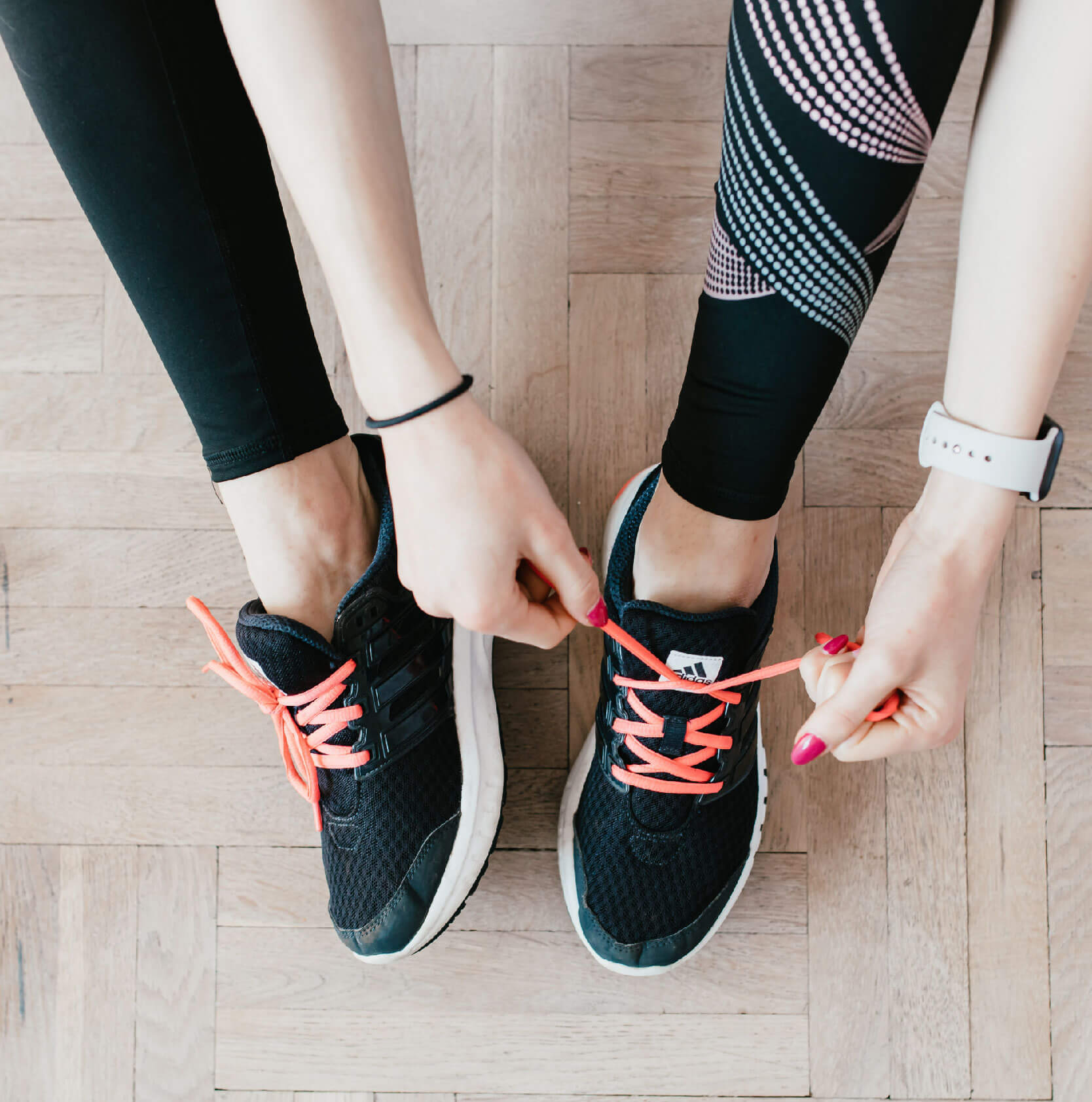
Intuitive movement supports both body and mind. Instead of exercising to reach a certain body size or shape, intuitive movement is about choosing ways to move the body that will help us to feel better.

POSTED IN:
Body-editing apps are the newest trend fuelling body image issues in both men and women. Instead of supporting us to accept that we are all different and embrace our individuality, editing apps encourage us to conform to society’s pressures and only share a sculpted ‘version’ of ourselves.

POSTED IN:
Many people think that it is simply about being on a diet, however diet culture is a belief system that worships thinness and values a socially constructed ideal of beauty over health and well-being. This is why diet culture has become so dangerous and is strongly implicated in the rise of eating disorders and body image issues.

POSTED IN:
Not quite ready to embark on a recovery programme? Download our free Recovery Checklist and join our weekly newsletter for thoughtful guidance and practical support to help you take your next steps.
EDUCATION IS POWER
© Natural Food Therapy 2021 ™ | all rights reserved | privacy policy